
Mobile homes Investing, although underrated, is a low powerful strategy which eventually arouses smart real estate investors. With high cash flow, low penetration costs and much less competition compared to multifamily or detached houses, mobile home investing is carving out a name in the real estate game.
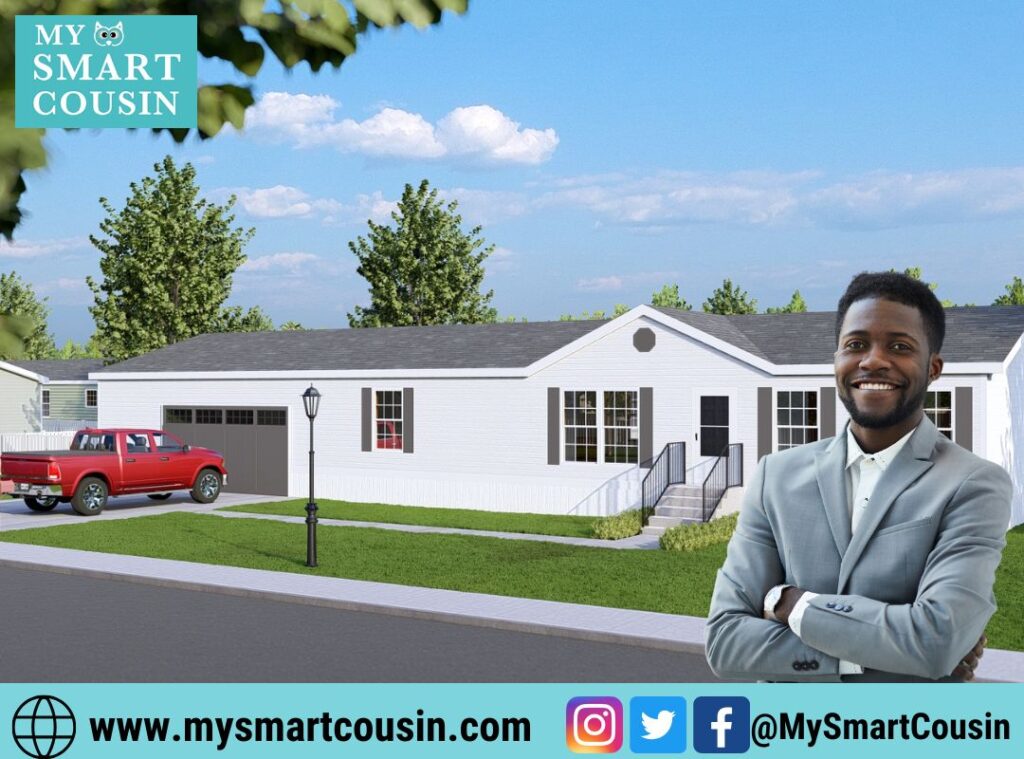
At MY SMART COUSIN, we help budding home buyers and real estate investors conceptualize, fund and build their Real Estate portfolios. As seasoned coaches, we work with clients to penetrate the lucrative market of buying a house for the price of a car. We work with a broad range of clients and focus, in particular, on Black and Brown folks and women, to develop a detailed roadmap unique to each client.
In this blog, we will go through what Mobile Home investments is, how it works, how you can start and what you need to see all in simple, easy -to -understand words.
Mobile Homes Investing: The Rising Star Of Real Estate
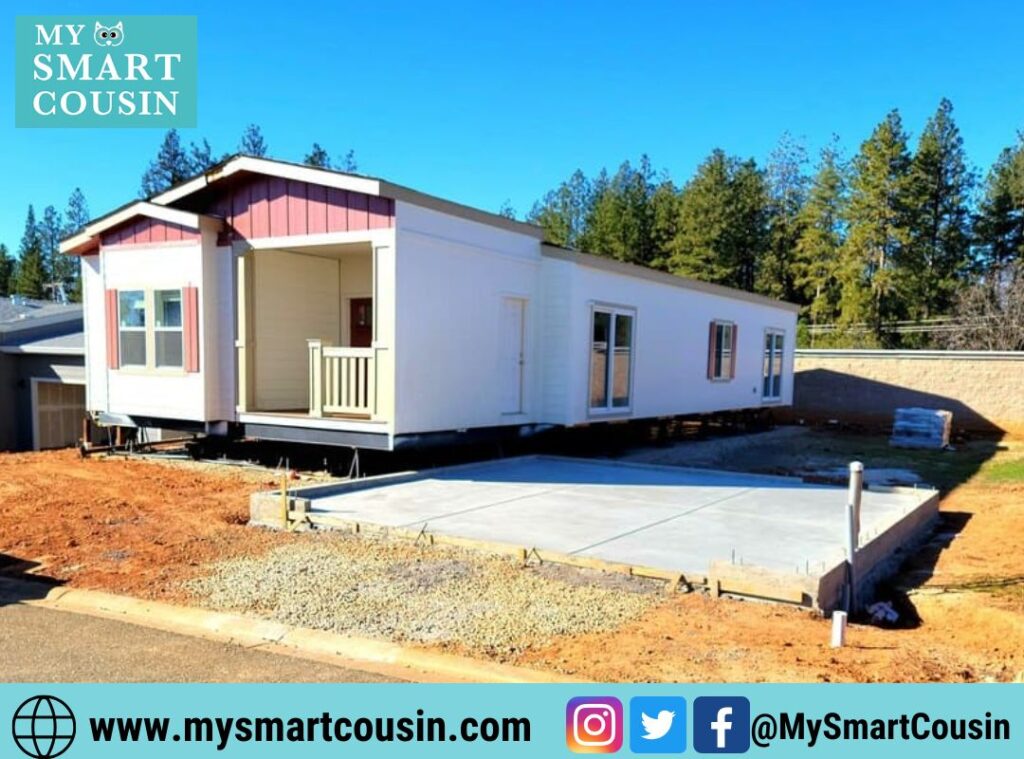
Mobile homes, also known as built houses, are completed houses located in specified parks or on private land. Investors often buy land (mobile home parks), but not homes. This means that you own the land while the tenants maintain their homes- — a win-win for cash flow and reduced maintenance.
Compared to traditional rental housing, investment in mobile homes can yield high returns with low overhead and low headaches.
Mobile Home Park Investment: The Untapped Niche
There are over 43,000 Mobile home parks in the United States, but very few institutional investors have entered space. Why? Because this niche is historically ignored, stained or misunderstood.
Most Mobile home parks are still owned by mom-and-pop landlords, many of whom are near pension and open to sell. This provides a tremendous opportunity to savvy investors to get parks for the below market price and improve operations.
With low competition and greater flexibility in the conversation, Mobile Home Investment offers a room for both cash flow and appreciation.
Manufactured Housing Investing: A High-Cash Flow Vehicle
Why are housing investments set up here:
- High Cap Rate: Often between 7-12%, compared to 4-6% on multifamily
- Lower turnover: Mobile tenants must live for years as the transfer of a house can cost $ 5000- $ 10,000.
- Stable income: Even during recession, the demand for affordable housing increases.
Many park owners report that residents value their communities and maintain their own homes. This reduces maintenance calls, operational stress, and long-term costs.
Example: Buy a 40-lot mobile home park at a 10% cap rate. After minor rent increases or infrastructure upgrades, you could push the value by 20–30% in a few years.
Affordable Housing Investment: Meeting A Critical Need
There’s a housing affordability crisis across the U.S. Rents are skyrocketing, home prices are out of reach for many, and supply isn’t keeping up with demand. Mobile homes provide an affordable alternative for low-to-middle-income families, retirees, and first-time homeowners.
According to the Manufactured Housing Institute:
- Over 22 million Americans live in manufactured homes.
- Average cost per square foot is $57, compared to $119 for traditional site-built homes.
This makes mobile homes one of the most sought-after affordable housing investment options on the market today.
Passive Real Estate Income With Minimal Management
In investment in mobile home you can either do:
- Owner of house (as a landlord, but with high maintenance).
- Own Lands (tenants own their homes – called “Lot rent models”).
In the second option, your role is more as a land manager or HOA, not as a landlord. You handle general field maintenance, invoicing, utilities bills and rules – and this is.
This is why inactive property revenues from Mobile Homes are so attractive. You can outsource management, automate invoicing and enjoy cash flow with much less tenant’s problems compared to traditional prices.
Benefits Of Mobile Homes Investing (At A Glance)
- Low entry cost — Parks can be purchased for less than a duplex in many cities
- High demand — Affordable housing is always in need
- Low maintenance — Tenants maintain their own homes
- Low vacancy — Residents stay for years
- Steady cash flow — Rent comes in like clockwork
- Recession-resistant — Great performance in downturns
Challenges And How To Overcome Them
Each investment comes with risk. While investing in mobile homes these are the challenges that needs to be overcomed:
A) Problems with infrastructure
Old Homes can have plumbing, roads or electrical systems. Always inspect a property and get a repair estimate before you buy.
B) Tenant turnover (if you are homeowners)
If you are the owner of old houses, they may require frequent repair or replacement. If you want less responsibility, stick to a lot rent models.
C) Regulation or legal restriction
Some municipalities frown on Mobile Homes. Always confirm regulation, permits and grandfather rights in the park.
D) Financing Difficulties
Banks can hesitate to raise finances for mobile home parks. See expertise in top assets for community banks, sellers financing or private lenders.
How to Start Investing in Mobile Home Parks
Step 1: Research Your Market
Use tools like Reonomy, LoopNet, or MobileHomeParkStore to identify potential parks. Target areas with:
- Population growth
- Low vacancy
- Affordable rent trends
Step 2: Contact Owners Directly
Most mom-and-pop owners don’t list their properties online. Write letters, make phone calls, or send postcards to start conversations.
Step 3: Analyze the Numbers
Look for:
- Occupancy rate (above 80% is ideal)
- Lot rent vs. market rent
- Cap rate (minimum 8%)
- Utility structure (who pays water/sewer?)
Step 4: Secure Financing
Options include:
Step 5: Close the Deal & Improve the Park
Focus on small improvements:
- Improve signage
- Fix potholes
- Add landscaping
- Raise below-market rents carefully
THE BOTTOM LINE
If you are looking for an investment vehicle that provides strong monthly cash flow, lower operating burden, a product that people really need then it can be a smart feature of your Real Estate Investment. It may not be glamorous, but it is proven, scalable and low-recession-flexible. The demand for affordable homes is only increasing, you can build a portfolio that is both profitable and socially influential.Stop chasing over courses and start building real cash flow.Contact us today for a free strategy session that fits your budget and goals.
YOU CAN ALSO READ: HOW TO PROFIT WHILE SUPPORTING AFFORDABLE HOUSING: GOVERNMENT-GUARANTEED RENT AND LOWER VACANCY
FOLLOW US: @MYSMARTCOUSIN